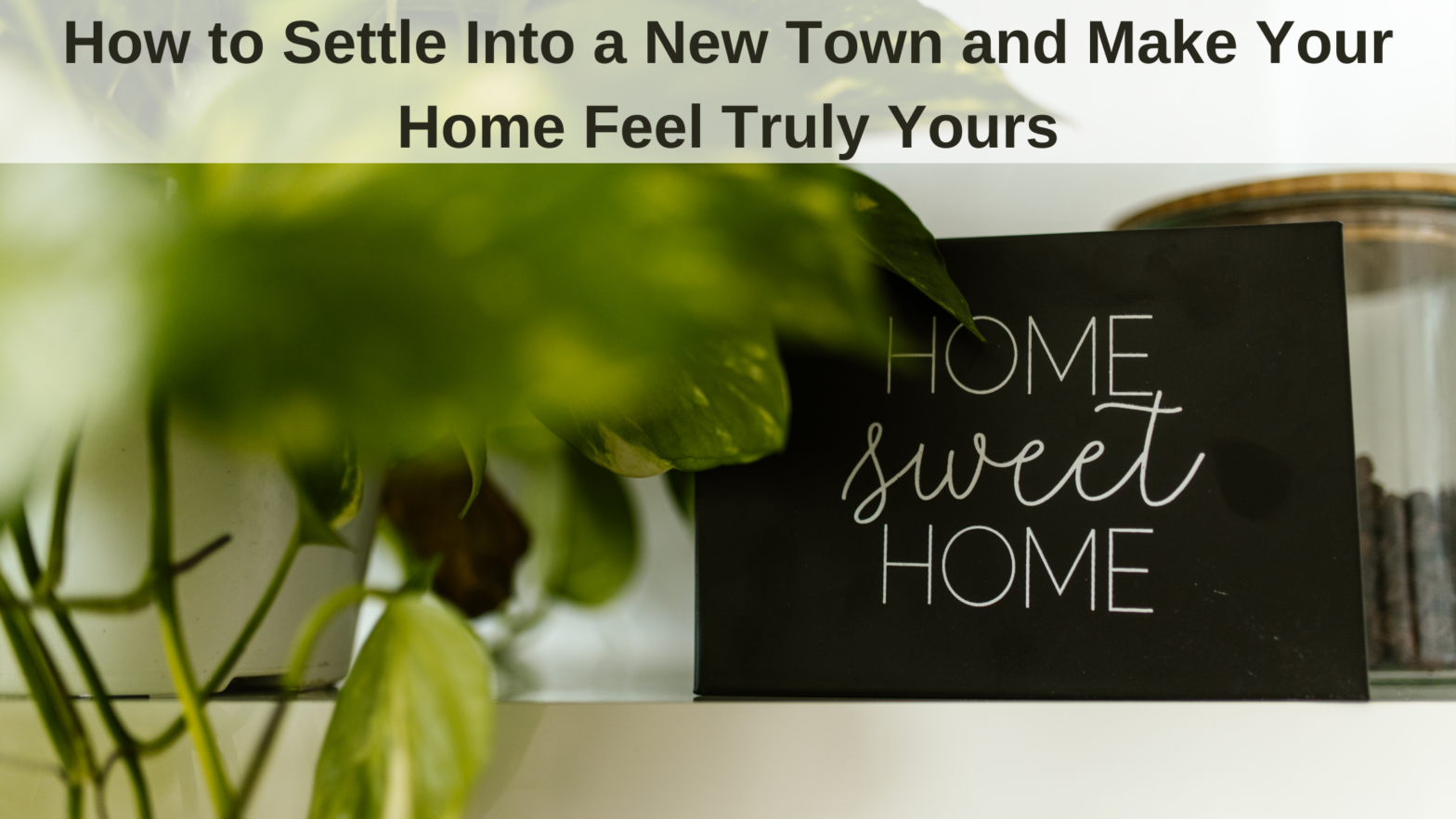
How to Settle Into a New Town and Make Your Home Feel Truly Yours

How to Settle Into a New Town and Make Your Home Feel Truly Yours

Homeowners relocating to a new town learn fast that the hard part isn’t the boxes, it’s the weird in-between where the house is technically theirs, but nothing feels familiar. Adjusting to a new town means juggling the challenges of moving, trying to find some moving stress relief, and still showing up for work, kids, and basic human needs like eating something besides takeout. The architecture, light, color palette, and scale of the new home are different — which means your furnishings and art may not interact with the space the same way they once did. Meanwhile, community integration can feel like crashing a party where everyone already knows the inside jokes, and new environment adaptation comes with surprise noises, new routines, and a totally different vibe. The goal is simple: turn the “temporary landing zone” into a home without spiraling. This is a rare opportunity to reset. A new home allows you to decide intentionally what comes forward with you — and what no longer represents who you are becoming.

How to Settle Into a New Town and Make Your Home Feel Truly Yours
Moving is a rare opportunity to reset. A new home allows you to decide intentionally what comes forward with you — and what no longer represents who you are becoming.

Quick Takeaways

  • Start unpacking with a plan so your home feels functional fast, not like a box warehouse.
  • Work with a designer early to evaluate what truly fits the new space — what can be refined, what may need to be released, and what new elements would better reflect who you are now. Acting early prevents “temporary” placements from becoming permanent clutter.
  • Start exploring your neighborhood on purpose to find your go to spots and shortcuts.
  • Start building social connections early so you are not eating dinner with just moving boxes.
  • Start lining up local services so you are not scrambling when something breaks or needs fixing.
  • Start supporting kids and your job search with small steady steps so everyone settles in sooner.
Work with a designer early to evaluate what truly fits the new space

Settle In Fast: From Boxes to Real Life

This process gets your home functioning quickly while you still take time to build a sense of belonging in your new place. For homeowners who care about how their space feels — not just how it looks — the goal is simple: establish daily flow first, then thoughtfully layer in meaningful elements.

  • Unpack for function, not perfection
    Start with the bedrooms, bathrooms, and kitchen so you can sleep, shower, and eat like a civilized human. Unpack one “daily life zone” at a time and label any lingering boxes by room and purpose, so your home supports you before it impresses anyone.
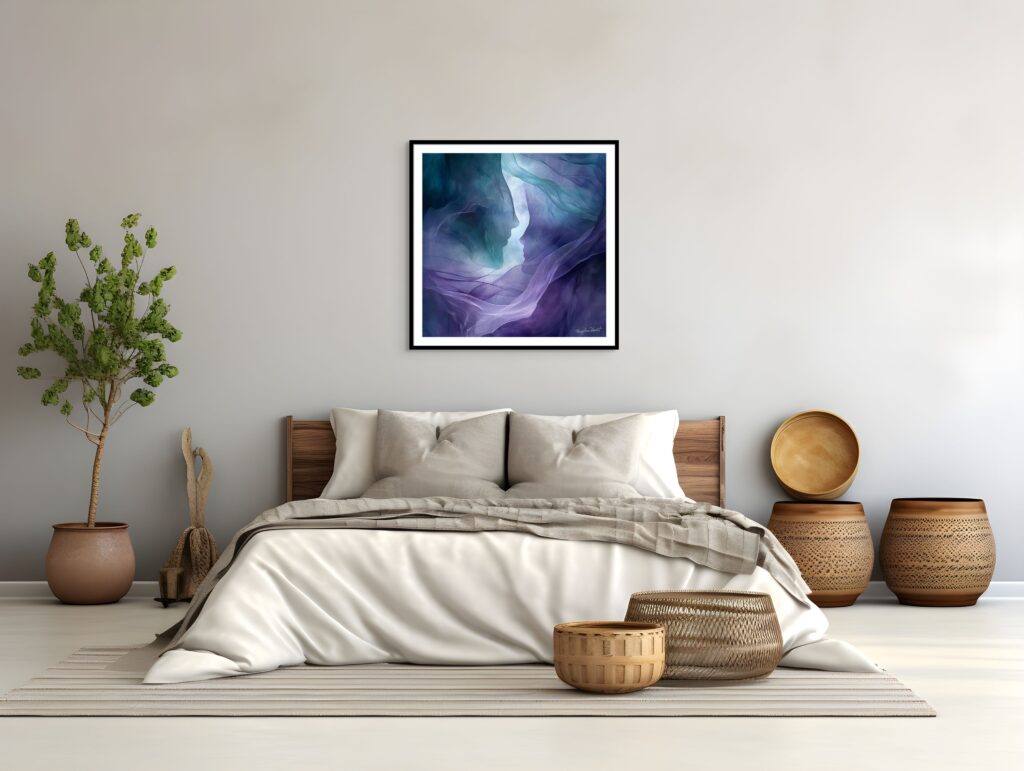
Release #12 energy art by Mary Ann Benoit
Unpack one daily life zone, at a time. "Release #12" energy art by Mary Ann Benoit.
  • Map your weekly routines onto the house
    Write down your real week: mornings, work blocks, workouts, school runs, quiet time. Assign each routine a physical home base (hooks by the door, a charging spot, a mail tray). Identify where stress naturally accumulates — entryways, kitchens, work zones — and intentionally anchor those areas with art or design elements that support calm and clarity. Placement matters more than quantity.
  • Learn the neighborhood with a short landmark loop
    Pick a 20 to 30 minute route and find your essentials: grocery, pharmacy, hardware store, park, and the best “I need caffeine” option. Repeat the same loop twice this week, because familiarity is soothing and it turns your new area from “unknown territory” into “my turf.”
  • Try two community touchpoints and actually talk to humans
    Choose one low-pressure event (library, class, volunteer shift, hobby group) and one practical stop (school event, neighborhood association, community garden). The social-based interventions evidence suggests real-world social connection can have a meaningful impact, so treat it like home maintenance for your brain.
  • Lock in your providers and stabilize kids’ routines
    Pick one local “bench” provider per category you will need soon (doctor, dentist, vet, plumber, HVAC, electrician) and save their numbers before you have an emergency at 9:47 pm. For kids, keep mornings predictable, walk the school route together, let them choose one meaningful element for their room so the space reflects who they are now — not just where they used to live.

Quick Answers for New-Town Nerves

  • Q: What are some effective strategies for overcoming the initial stress and uncertainty after moving to a new town?
    A: Shrink the problem: pick three non-negotiables for the week (sleep, food, one errand run) and treat everything else as optional. A thorough walkthrough also calms the “what’s secretly broken?” anxiety by turning vague dread into a punch list. Then give yourself permission to be “new” for a month.
  • Q: How can I find and connect with local community groups or events to build a social network quickly?
    A: Use the two-door strategy: one interest-based group (class, hobby, volunteer) plus one practical hub (school, library, neighborhood meeting). Go twice before deciding it’s “not your vibe,” because first visits are awkward for everyone. Ask one simple question and let locals do what they love: give recommendations.
  • Q: What steps can I take to make my new home feel aligned with my energy?
    A: Start slowly. Choose one “anchor spot” you see daily and create a small area that feels calm and supportive.
  • When you move, the light, layout, and color palette of the new home are often very different from where you lived before. That means your existing furniture and décor may not automatically feel harmonious. Instead of rushing to replace everything, consider working with a designer who can help you thoughtfully integrate what you already own and refine the color relationships, so the space feels cohesive.
  • A move is a powerful opportunity to shape your home around who you are now. Custom energy art can help bridge the old and the new, while intentionally supporting the life you’re stepping into. Thoughtful choices create lasting alignment—far more than quick purchases ever will.
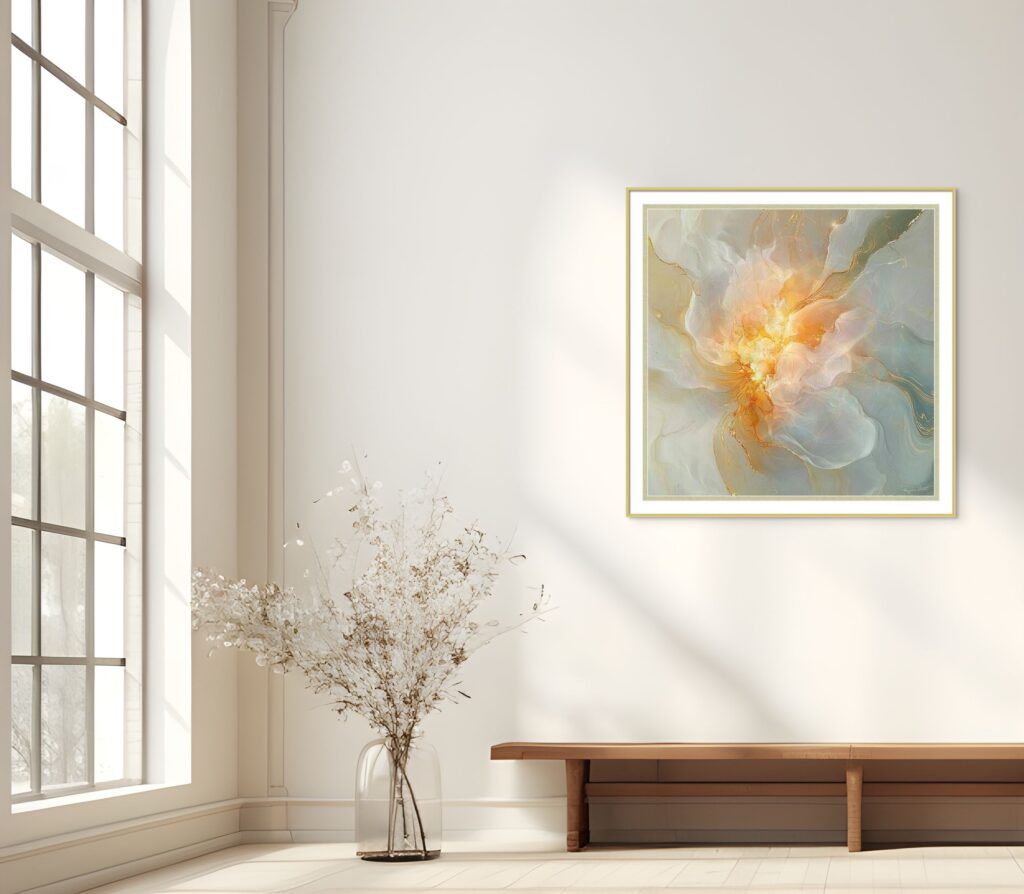
Whispers of Light #2 energy art by Mary Ann Benoit. MInimalist space in ArtPlacer.
Make your new home feel aligned with youn energy. "Whispers of Light #2" energy art by Mary Ann Benoit of Northern Lights Home Staging and Design.
  • Q: How do I efficiently locate reliable local services and professionals to support my daily needs without feeling overwhelmed?
  • A: Make a shortlist by category, then vet with three filters: verified reviews, proof of license/insurance where relevant, and clear written estimates. Call two options and judge responsiveness, because “we’ll get back to you” is not a business plan. Keep all contacts and receipts in one place for critical documents so future-you doesn’t have to go on a scavenger hunt.
  • Q: If I’m feeling stuck trying to establish structure in my new environment, what options exist to gain management skills that help me organize my personal and community life better?
    A: Treat it like a reset, not a personality flaw: choose one planning method and practice it daily for two weeks before switching. If the move is also poking your career goals, a structured online curriculum can help after you clarify your target role and refresh your resume, check this out for an example of what that can look like. The win is consistency, not a color-coded masterpiece.

Habits That Make a New Place Feel Like Home

Habits beat motivation because they run even when you’re tired, busy, or still living out of boxes. Since 45% of our everyday behaviors repeat in the same places, a few intentional routines can steadily “imprint” your home with calmer energy and personal meaning.

Daily Front-Step Reset

  • What it is: Stand at your entry, exhale slowly, and choose one intention for today.

  • How often: Daily

  • Why it helps: Your doorway becomes a mental switch from chaos to grounded.

Ten-Minute Neighborhood Loop

  • What it is: Walk the same short route and notice one new detail each time.

  • How often: Daily or 3x weekly

  • Why it helps: Familiarity builds fast when your feet keep proving you belong.

Anchor-Space Alignment Check

  • What it is: Choose one meaningful area of your home and refine it intentionally. This may include adjusting the placement of art so it has proper scale, lighting, and visual breathing room within the space.
  • How often: When you first settle in — and again only if the space no longer feels balanced.
  • Why it helps: Art and furnishings work best when considered as part of the whole design. Thoughtful placement allows key pieces to stand out and prevents visual clutter, creating a space that feels calm, cohesive, and aligned.
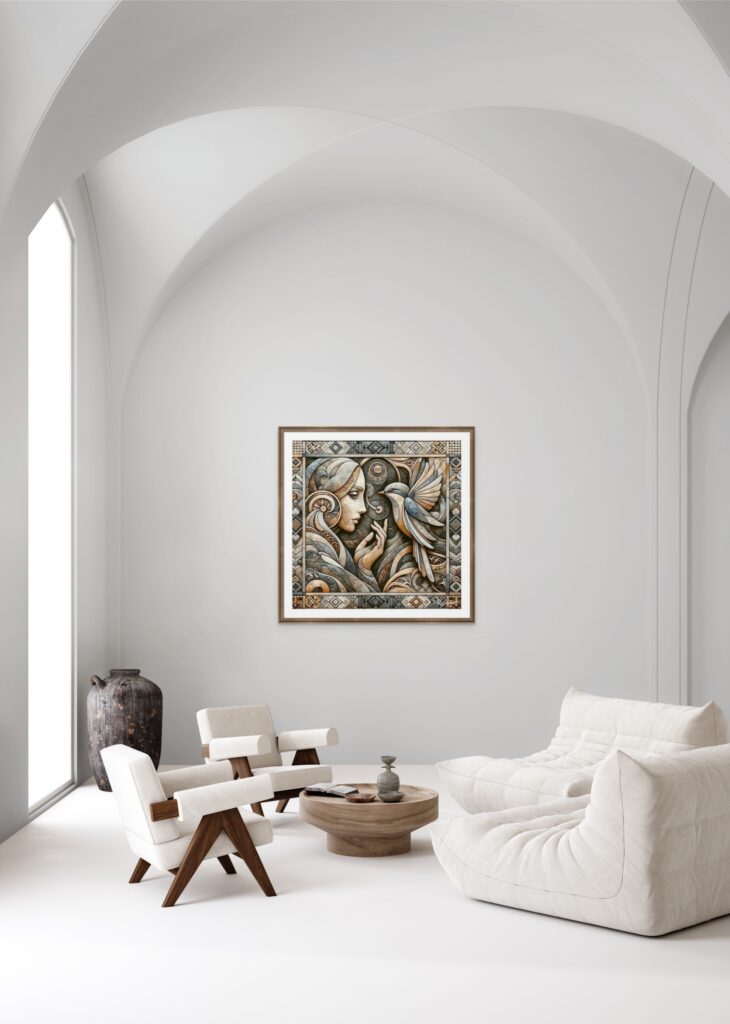
n mythology worldwide, "The Language of the Birds" symbolizes the quest for spiritual wisdom and enlightenment, often depicted through birds as messengers of divine knowledge. Through it you transcend mundane understanding to access deeper truths or higher consciousness.
Create a beautiful anchor space. Language of the Birds #22 energy art by Mary Ann Benoit of Norther Lights Home Staging and Design.

Sunday Home Air and Wipe

  • What it is: Open windows, then use less-toxic cleaning products for a quick reset.

  • How often: Weekly

  • Why it helps: Cleaner air makes calm easier to access and keep.

Two-Text Social Ping

  • What it is: Send two simple messages: one neighbor, one buddy with a similar interest.

  • How often: Weekly

  • Why it helps: Connection grows from tiny reps, not grand networking plans.

Claim Your Space Fast With One Personal Home Touch

A new town can feel like living in someone else’s house, your boxes are there, but your brain hasn’t moved in yet. The fix isn’t a massive makeover; it’s a positive mindset for movers plus small, repeatable routines that keep creating welcoming spaces while leaving room for ongoing adaptation strategies. Do that and settling in confidence shows up faster: the place gets calmer, your days get smoother, and the weird “temporary” feeling starts packing its own bags. Home isn’t a zip code; it’s something you consciously shape. A new town can feel temporary until you intentionally claim your space. This isn’t about filling walls quickly — it’s about deciding what belongs in this next chapter of your life. Choose one meaningful area to refine, release what no longer represents you, and allow the new home to reflect who you are now. Home isn’t just where you live; it’s what you consciously shape.

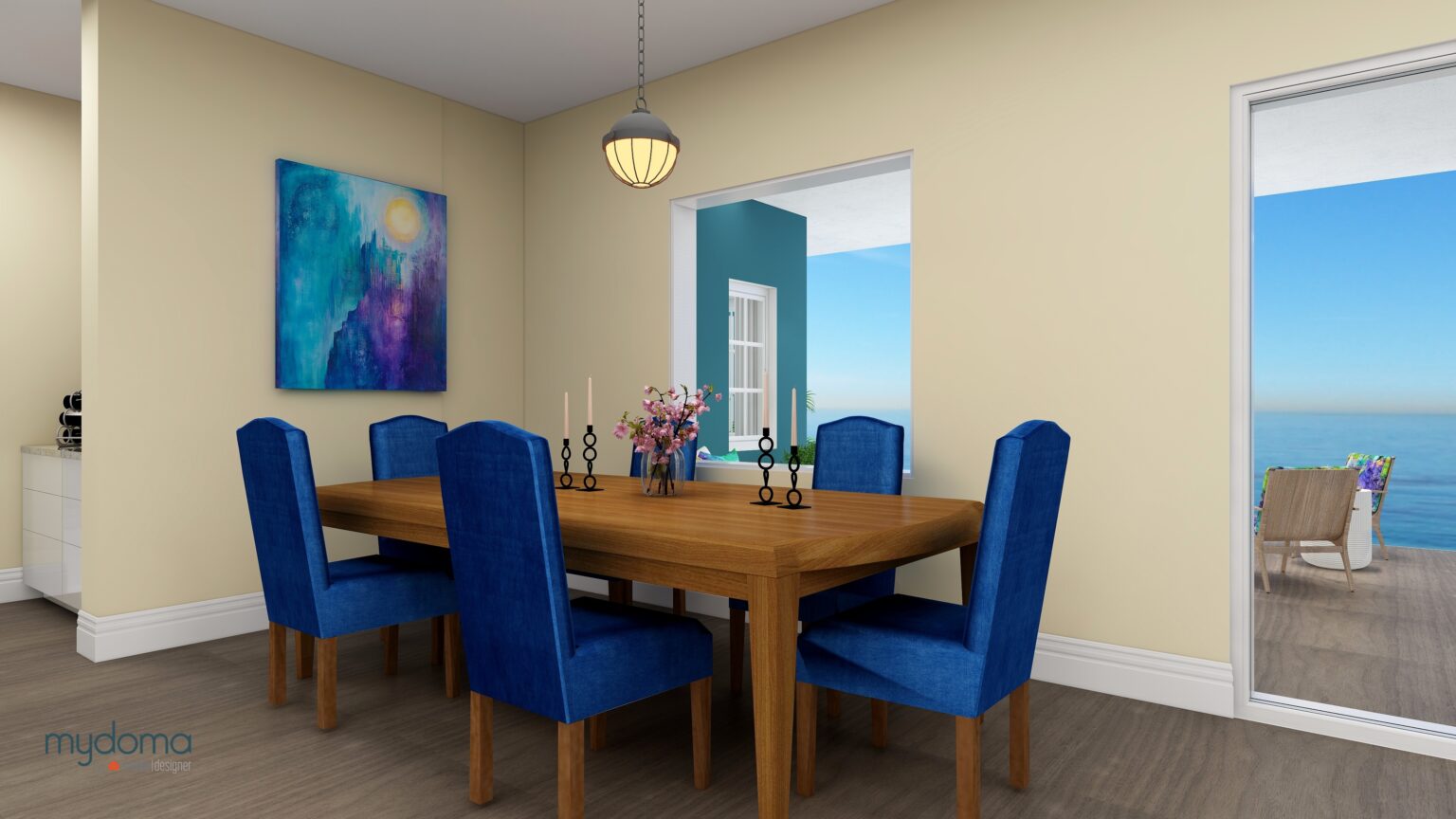
Roots of Forgotten Light #29
Claim Your Space Fast With One Personal Home Touch, like meaningful art.

This article was written for Northern Lights Home Staging and Design by Dennis Kane of the Winterize Guys.

Need Help Making Your New Home Feel Like You?

Not sure what fits in your new space? A focused Design Coach session gives you practical guidance and confident next steps — no full-service commitment required.

Discover what energy you are ready to attract in your new home with this helpful quiz, and then get help putting it all together to make it truly you with Aligned Design.

Aligned Design©– All Rights Reserved.

Terms of Service  |  Privacy Policy  |  Disclaimer |  Brochure

Prices are subject to change without notice.

Call 907-362-0065 today

By Mary Ann Benoit

President- Northern Lights Home Staging and Design Owner- Arctic Paradise Bed and Breakfast Artist- Stained Glass, Jewelry and Alcohol Ink Art Wildlife Biologist Director- Kaleido World Percussion and Dance Company Director- Tavus Dance Company of Alaska Lover of music, art, dance and animals.

Leave a comment

Your email address will not be published. Required fields are marked *

https://zotabox.com/dashboard/embeddedcode/