Unlocking Potential: Arts-Based Strategies for Engaging Kids with Learning Disabilities

Arts-Based Strategies for Engaging Kids

The arts offer a unique and powerful way for children with learning disabilities to explore their creativity, build confidence, and develop important skills. Whether it’s through painting, music, dance, or theater, artistic activities provide a non-traditional learning environment where children can express themselves freely and thrive. Engaging with the arts can also enhance communication, improve focus, and strengthen emotional well-being, creating a positive ripple effect in other areas of their lives. By tailoring creative opportunities to meet the needs and strengths of children with learning disabilities, parents, educators, and communities can open doors to new possibilities and meaningful growth.
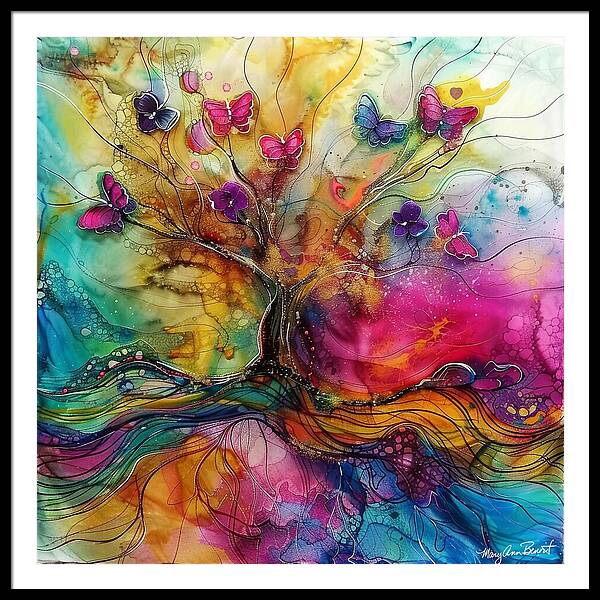

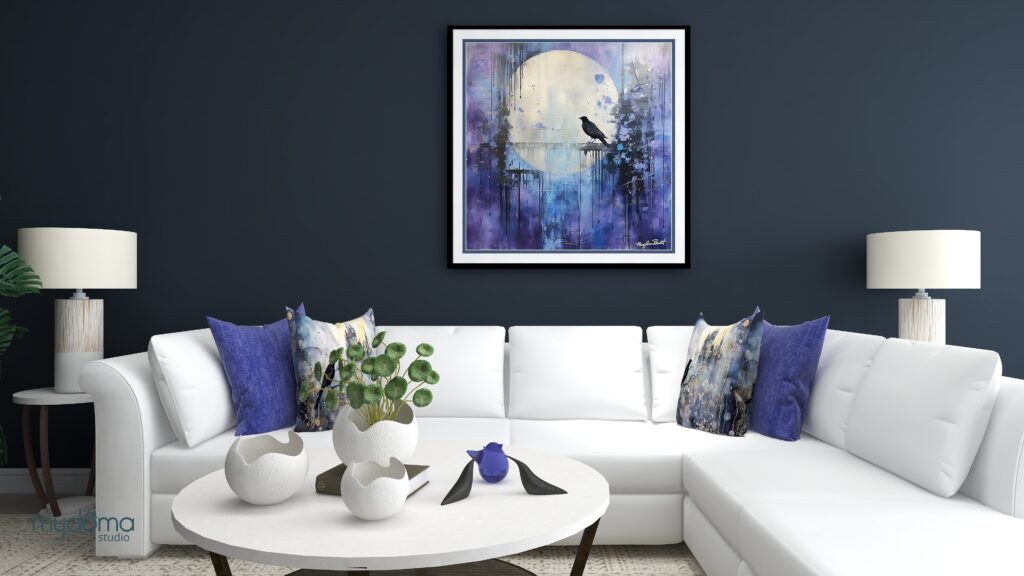
Awakening #11 by Mary Ann Benoit
Awaken your child’s creativity through art.” Awakening #11″ energy art by Mary Ann Benoit

Selecting Art Supplies for Sensory-Sensitive Children

When choosing art supplies for children with sensory processing challenges, it’s essential to focus on materials that are both safe and engaging. Prioritize non-toxic options, such as paints and glues, to ensure safety, especially since these materials often come into contact with the skin. Consider the textures, colors, and scents of the materials, as these can significantly influence a child’s sensory experience. Offering a variety of sensory experiences through diverse materials can help engage multiple senses, making the creative process more enjoyable and therapeutic.
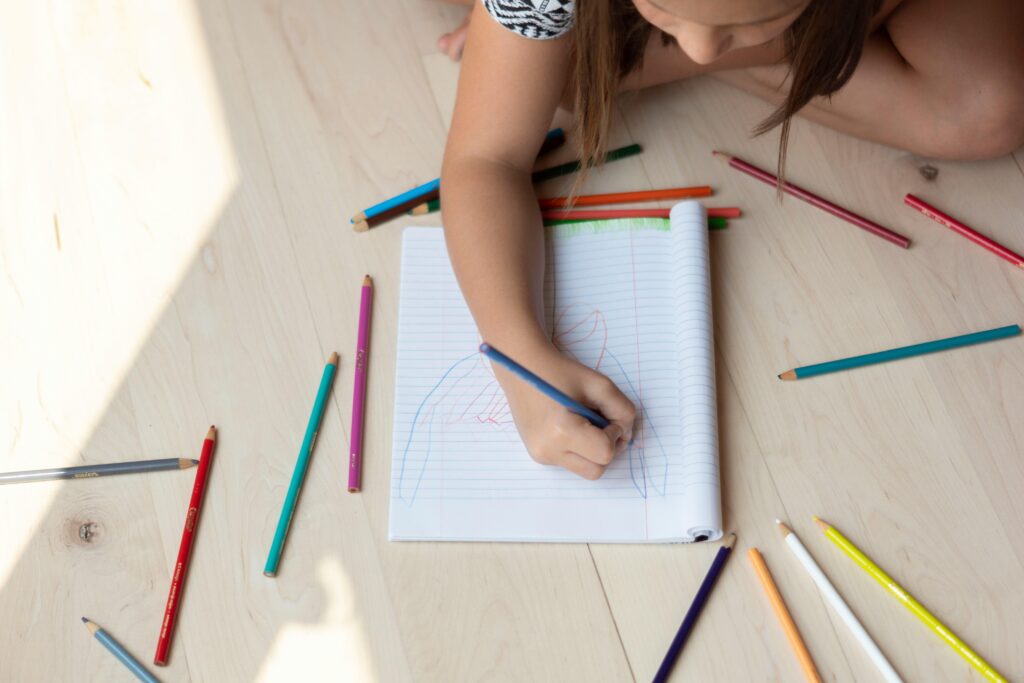
Unlocking Potential: Arts-Based Strategies for Engaging Kids with Learning Disabilities
Unlocking Potential: Arts-Based Strategies for Engaging Kids with Learning Disabilities, Photo by Sarah Dietz,

Digitally Preserving Your Child’s Art

Digitizing your child’s artwork is a fantastic way to preserve their creative expressions while minimizing physical clutter. This method is particularly beneficial for children with learning disabilities, as it allows them to engage with their art in a more accessible format. By converting their art into digital formats, you can easily organize and access their masterpieces anytime, fostering a sense of pride and accomplishment in their creative endeavors. Saving their artwork as PDFs ensures high-quality preservation and facilitates easy sharing with family and friends. Using a PDF maker enables you to seamlessly create or convert any document into a PDF, making it a versatile tool for archiving.

Dancing for Inclusive Learning

Incorporating movement and dance into art education provides an engaging outlet for kinesthetic learners, allowing them to connect with creative expression through physical activity. Dance and movement-based activities not only make art more accessible but also help improve physical coordination, balance, and motor skills. These activities can be adapted to fit various abilities and encourage students to explore rhythm, emotion, and storytelling in ways that feel natural to them. By integrating movement into the arts, educators can foster an inclusive environment where children with learning disabilities can actively participate and thrive.
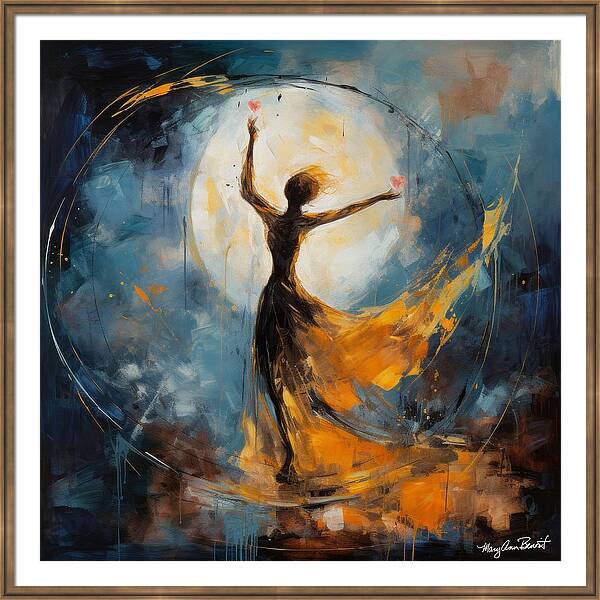

"Dance with the Moon #4" energy art by Mary Ann Benoit
“Dance with the Moon #4” energy art by Mary Ann Benoit

Boosting Social Skills Through Art Collaboration

Engaging children with learning disabilities in collaborative art projects can significantly enhance their social interaction and teamwork abilities. By participating in group art activities, these children learn to communicate effectively, share ideas, and work towards a common goal, which are essential skills for social development. Art projects, such as creating a mural or a group sculpture, provide a platform for children to express themselves creatively while also learning to respect and incorporate the perspectives of their peers.

Using Color-Coding for Better Engagement

Incorporating color-coding and visual guides into projects can significantly aid children who face challenges with organization and planning. By using distinct colors to represent different steps or materials, you provide a clear roadmap that helps these children navigate complex tasks more effectively. This method not only simplifies the process but also enhances their ability to focus and follow instructions, reducing frustration and increasing engagement.

Fostering Empathy Through Arts

Engaging children with learning disabilities in storytelling and drama can significantly enhance their emotional understanding and empathy. These activities provide a structured environment where children can explore various scenarios, helping them to better express and comprehend emotions. Research highlights that such creative workshops not only improve communication skills but also contribute to social and emotional well-being, which is crucial for personal development.

The arts serve as a powerful catalyst for growth and connection among children with learning disabilities. By embracing creative strategies, we can foster environments where these children thrive, both artistically and socially. The sense of belonging and achievement cultivated through artistic expression can have a lasting impact, enriching their lives and the communities they are part of.
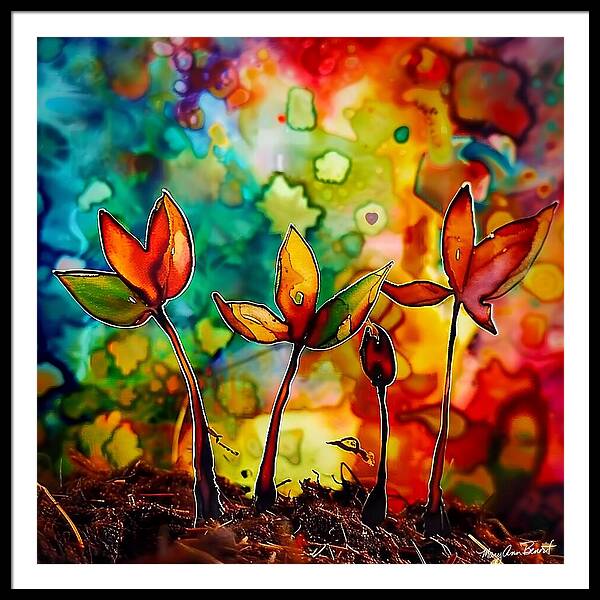

"Awakening #10" energy art and interior design by Mary Ann Benoit of Northern Lights Home Staging and Design.
Foster an environment where children can grow and thrive with art. “Awakening #10” by Mary Ann Benoit

Transform your space and life with Northern Lights Home Staging and Design, where Aligned Design and energy art create harmonious environments that reflect your true self and attract prosperity.

Written for Northern Lights Home Staging and Design by Dennis Kane of the Winterize Guys at winterizeguys.com.

Create Your Perfect Space with Art

Aligned Design is a holistic, spiritual approach to interior design based on the combination of art, science and energy that supports you to be the person you are meant to be when in alignment with who you truly are.

Aligned Design harmonizes art, science, and energy, which is the foundation. It includes:

The Art of Beauty – Beyond mere aesthetics, it create spaces that celebrate art, and create an extraordinary sensory experience.

The Science of Color – With a scientific approach to color, and as Alaska’s sole certified color strategist, I ensure every hue sings in harmony based on science and not guesswork. Color makes a huge difference in how your space looks and feels.

The Energy of Well-Being –  I assess the unseen energy of your environment, what you need, and create energy art and a design to enhance your space that captures your true essence, and supports your potential.

By combining art, science, and energy, we create magic that looks great, feels great and supports you to be great.

Energy art forms the foundation, guiding the style and color for the rest of the space.

It is like listening to a symphony orchestra playing a beautiful and moving musical masterpiece. All the instruments work in harmony together, and Aligned Design is the music they are playing.  The energy art is the conductor, the individual instruments are the design elements.The sheet music is the color.

Is the sound of the orchestra tuning up individually before the show what your space is like now?

Are you ready to create your masterpiece? Try my Aligned Design consultation and let’s get started.
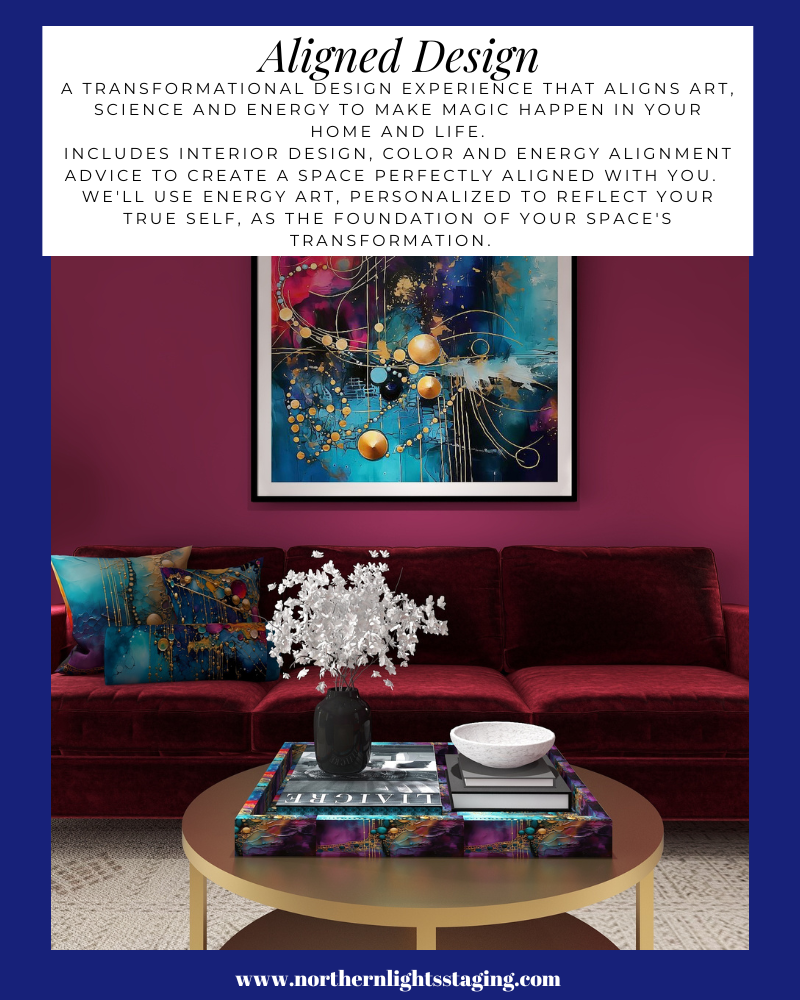

A transformational design experience that aligns Art, Science and Energy to Make Magic Happen in your Home and Life. Includes Interior Design, Color and Energy alignment advice to create a space perfectly aligned with you. We'll use Energy Art, personalized to reflect your true self, as the foundation of your space's transformation.


Online or In Person?


Aligned Design©– All Rights Reserved.

Terms of Service  |  Privacy Policy  |  Disclaimer |  Brochure

Prices are subject to change without notice.

Call 907-362-0065 today
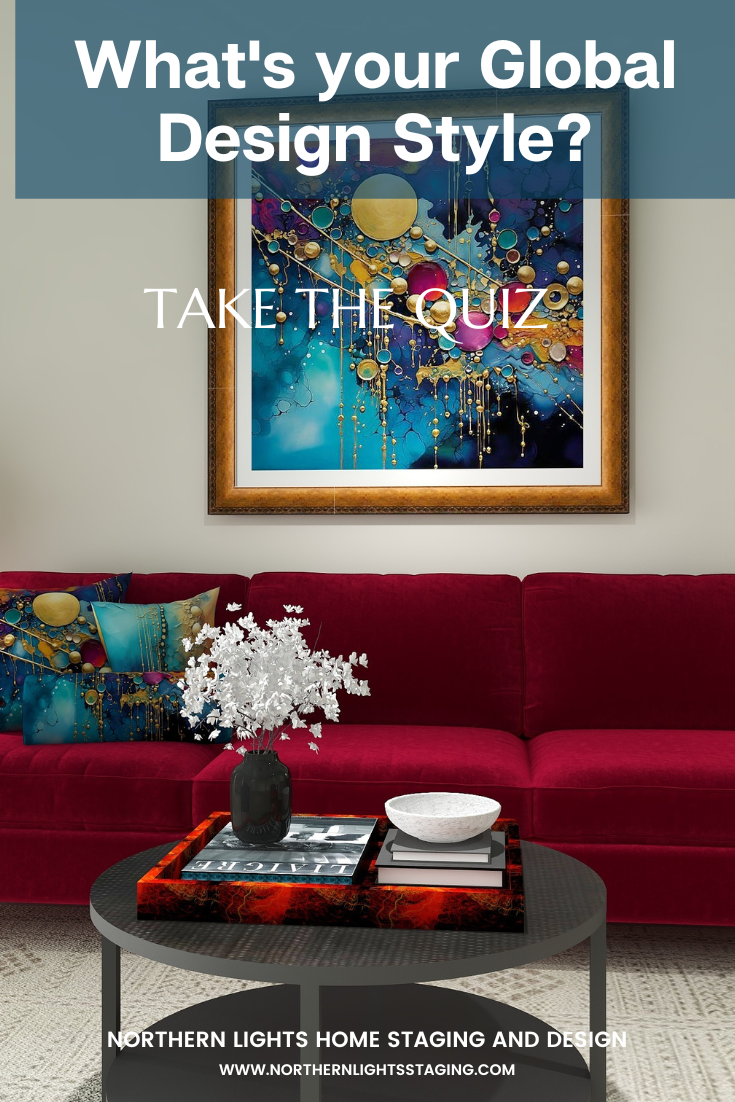

What's Your Global Design Style? Take the Quiz


Why Work with Northern Lights Home Staging and Design


I Learned to Solve All My Interior Design Problems by Dancing and Playing Music- We All Hear Music Differently

Do You Hear What I Hear?

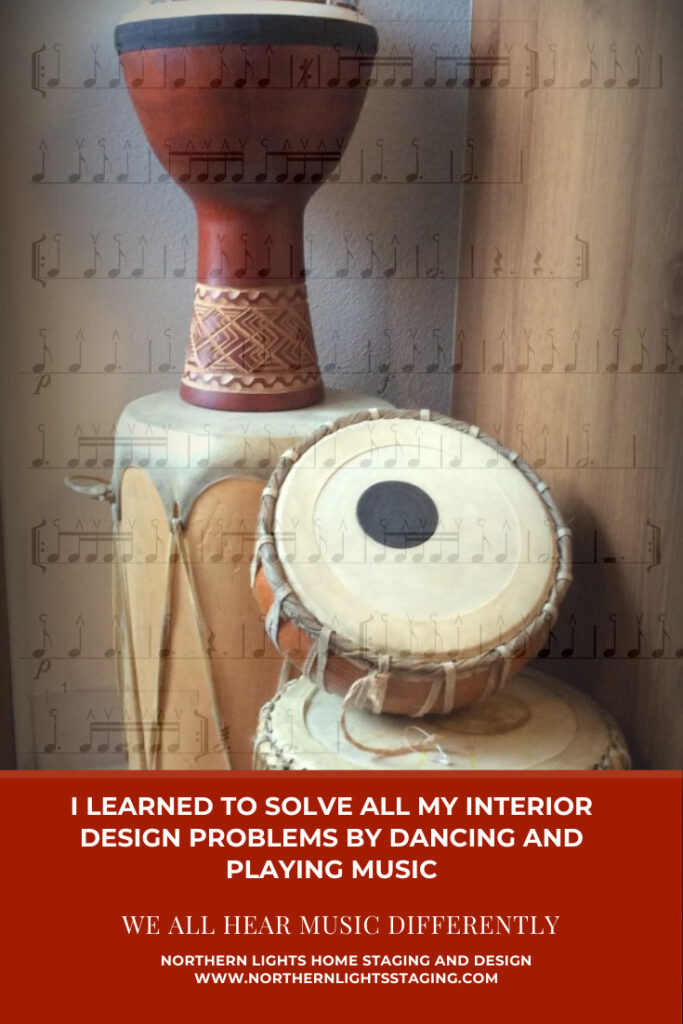
In my drum class, my teacher Amir played a video of a woman singing and a drummer playing with her to a group of people. She was singing in a language we did not know. It was hard to tell from her expression what she was feeling or thinking, other than the song had a serious subject. He asked us after what the song was about and how we felt. Everyone had a different interpretation.

We all hear and feel music differently.


I Learned to Solve All My Interior Design Problems by Dancing and Playing Music- We All Hear Music Differently

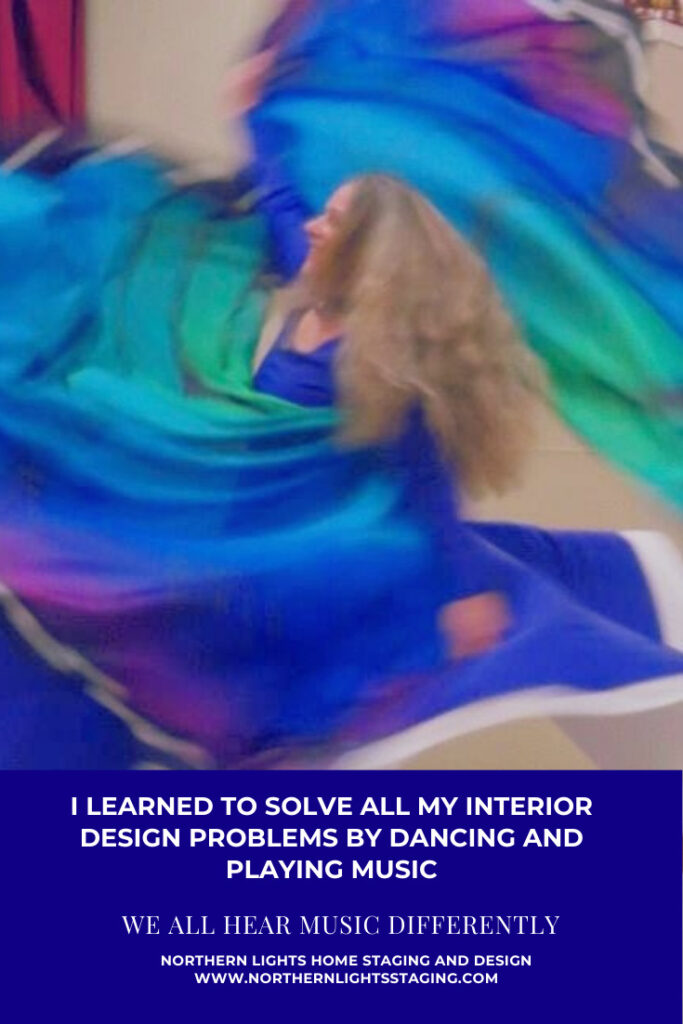
As a dancer, I have often experienced how different dancers all following a choreography to the same piece of music hear it a little bit differently. How they move their body, when they start or finish or how they accent certain notes might all be a little different.


I Learned to Solve All My Interior Design Problems by Dancing and Playing Music- We All Hear Music Differently
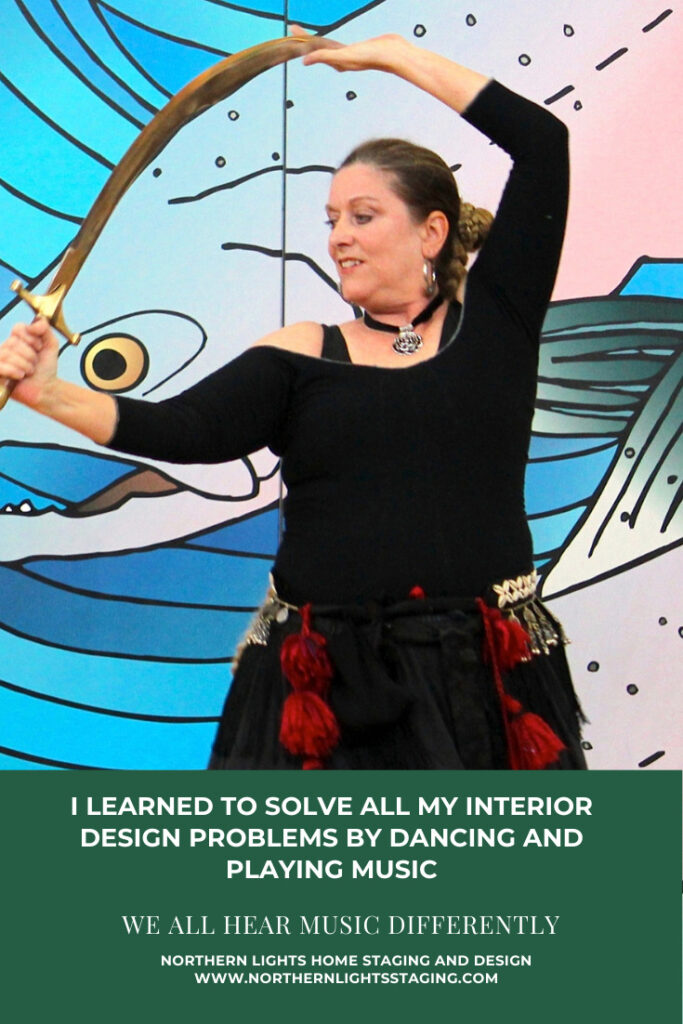
Mary Ann Benoit do a sword dance for kids at a local elementary school.

Even with music, while everyone might have the same sheet of music to follow that tells us where the accents should be and what the feeling is sometimes,  there is room for interpretation and each musician adds something of themselves when they play,  because of how they hear it.

Interior Design Lessons from Dance and Music

What does this have to do with Interior Design?

In Interior Design, we also see and feel things differently. There are no hard and fast rules and if there are, feel free to break them.

This is Part 3 in my revelations from lessons learned from dancing and playing music on how to create your perfect space. 


The older I get, the more I realize the connections between all things artistic. The same principles apply to making the magic happen in Interior Design or any other art form. You just need to open your eyes, listen, and feel it to notice.

It always seems to come back to the alignment between art (creativity), science (color), and energy (connection) that makes the magic happen. I use this alignment to create both beautiful dance pieces and interiors.


How Do Our Different Perceptions of Beauty, Color and Energy Affect How We Feel About Our Spaces?

In interior design, the perception of beauty, color, and the energetic feel of a space varies due to a myriad of personal and cultural factors:

  1. Cultural Background: Different cultures perceive colors, patterns, and spaces differently. A hue or motif considered beautiful or spiritually significant in one culture might be perceived differently in another.

  2. Personal Experiences & Memories: Personal associations can deeply influence how one perceives colors and design elements. A color or object reminiscent of a cherished memory might evoke a sense of warmth and comfort.

  3. Psychological Factors: While there’s a general understanding in color psychology (like blue being calming), personal experiences can override these generalizations. Someone with a traumatic experience related to water might not find blue calming at all.

  4. Sensory Perception: We don’t all perceive sensory inputs in the same way. Some are more sensitive to tactile sensations, while others might be more attuned to visual or auditory stimuli. This affects how we experience and energetically resonate with a space.

  5. Energetic Sensitivity: Some individuals claim to sense the energy of a room more acutely, often termed as being “empathic” or sensitive to the energy of spaces and objects. They might pick up on subtle energies that others may overlook.

  6. Personal Aesthetics: Individual exposure to art, design, and different environments throughout life can refine one’s sense of beauty, influencing how they perceive and resonate with different design styles and colors.

  7. Emotional & Mental State: Our current emotional and mental states can impact how we perceive spaces. A person in a serene state might find beauty in simplicity, while someone in a tumultuous phase might connect with chaotic, vibrant designs.

  8. Physical Conditions: Conditions like color blindness can significantly alter color perception, and other physical conditions might influence sensitivity to certain materials or lighting conditions.

  9. Personal Values & Beliefs: Someone who deeply values sustainability might energetically connect better with a space designed using eco-friendly materials, feeling it’s more “authentically beautiful.”

  10. Age: As we progress through life, our preferences and perceptions can evolve. Children might be drawn to brighter, varied colors, while adults might appreciate subtler, nuanced palettes.

Ultimately, beauty, color, and energy perception in interior design are deeply subjective. Every individual’s unique tapestry of experiences, beliefs, and sensitivities shapes how they interact with and feel about the spaces they inhabit


I Learned to Solve All My Interior Design Problems by Dancing and Playing Music- We All Hear Music Differently

How Do You See Bohemian Style?

If I ask you what your style is, if you are like many people, you don’t know or you might say “eclectic” which usually means a mish mash of all your stuff. If you are more specific, you may say something like ‘Bohemian”. But I bet the picture in your mind of what “Bohemian” style is, is different than what I picture and what the next person who likes Bohemian style pictures.

There may be a common theme, as in a piece of music, but we all see it and feel it a little differently in our mind’s eye.

What does that mean? More opportunity for magic! Yes!

After all, if we all had the same exact idea of what Bohemian style means, all our rooms would look the same. If there was a set of rules that said Bohemian style IS THIS, then that might give you guidance but isn’t that just poking you to break that rule and do what you want? I know it is for me!

Examples of Bohemian Style

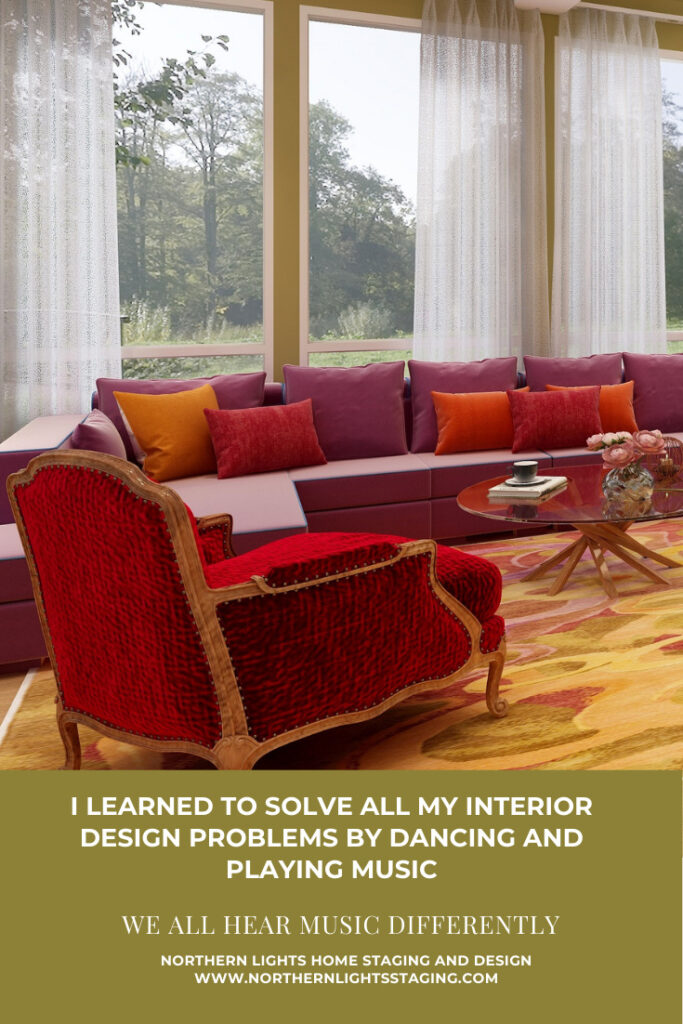
As an example, many picture Bohemian style as a maximalist style with loads of colors, patterns, plants, and collections from world travels as well as thrift and antique stores.

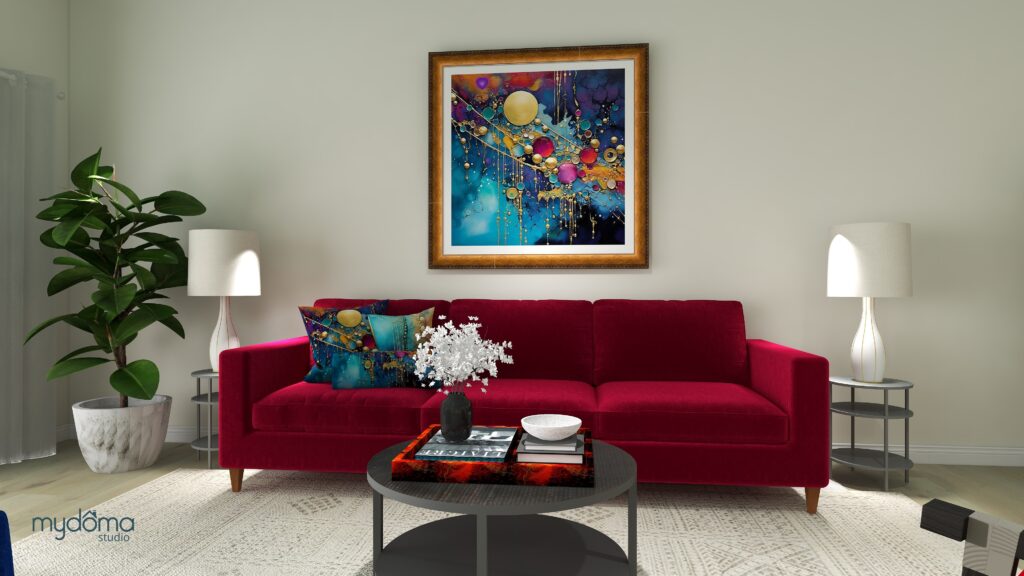
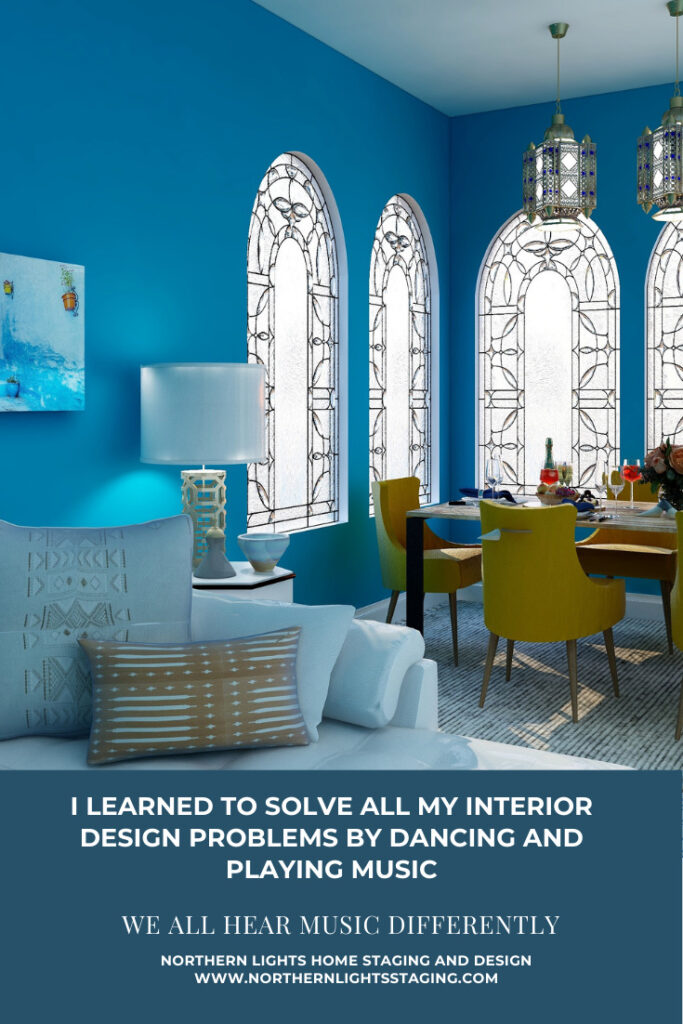
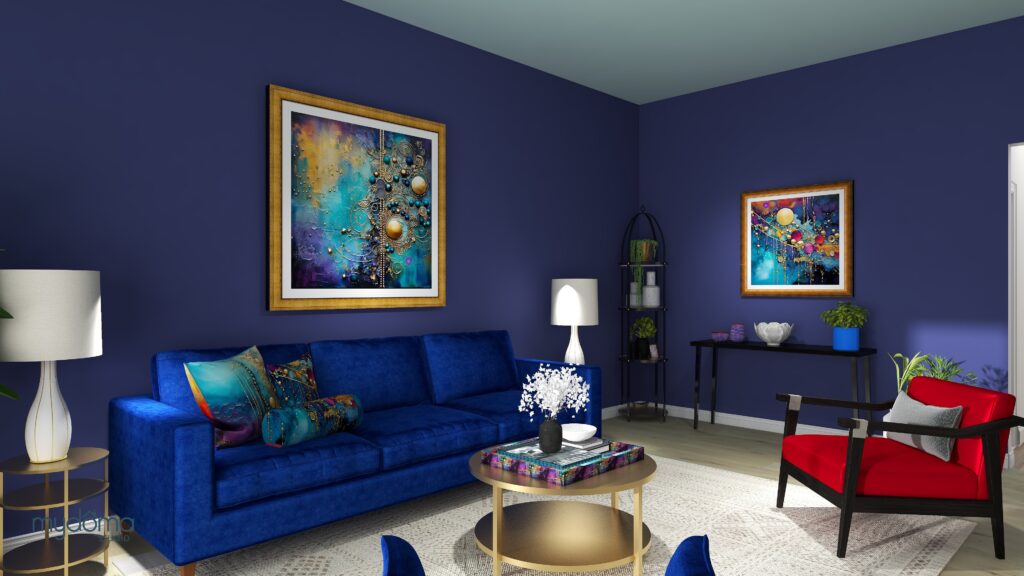
My vision of Bohemian is that but is more clean, modern and curated. See some examples below.

See how all these rooms are still  different?

What do you picture when you think of Bohemian style? How about other styles?


I Learned to Solve All My Interior Design Problems by Dancing and Playing Music- We All Hear Music Differently
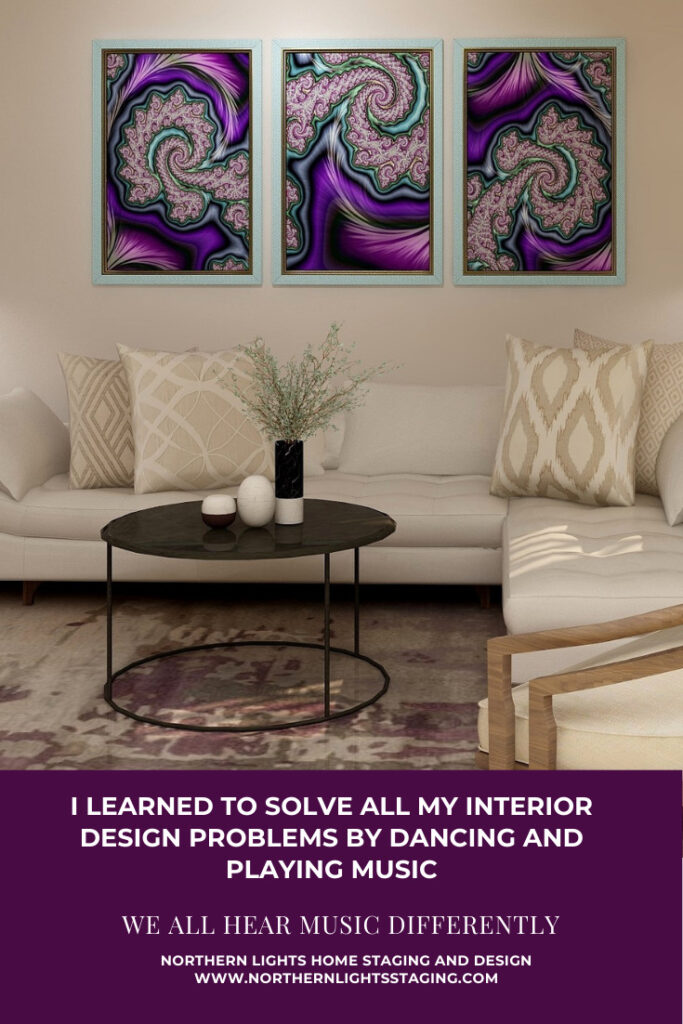
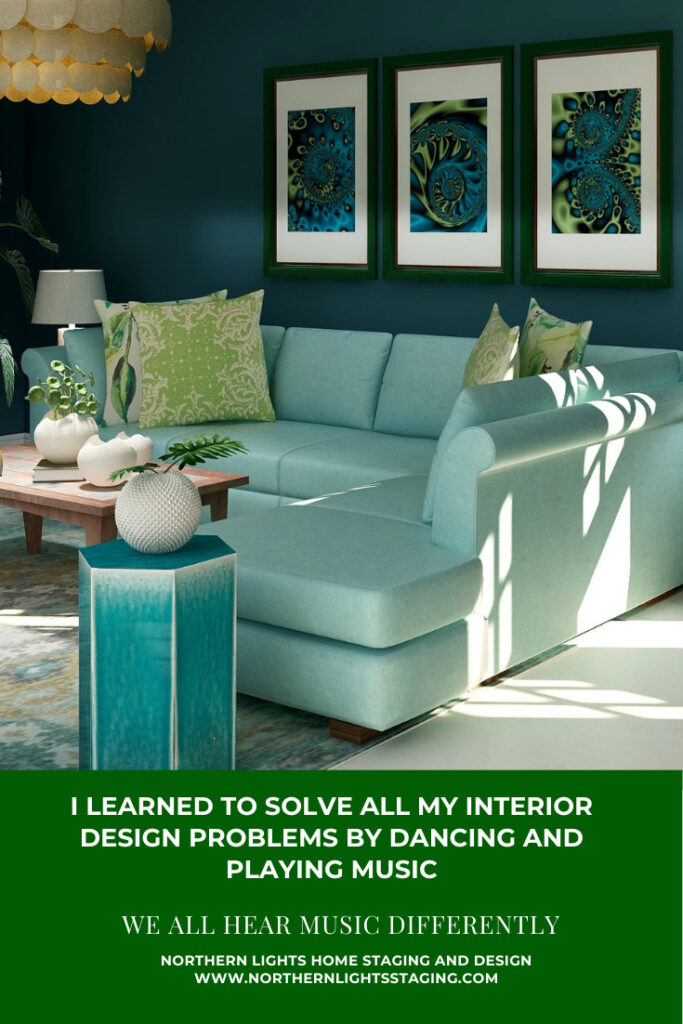
Bohemian Style- Edesign and Fractal Art by Northern Lights Home Staging and Design
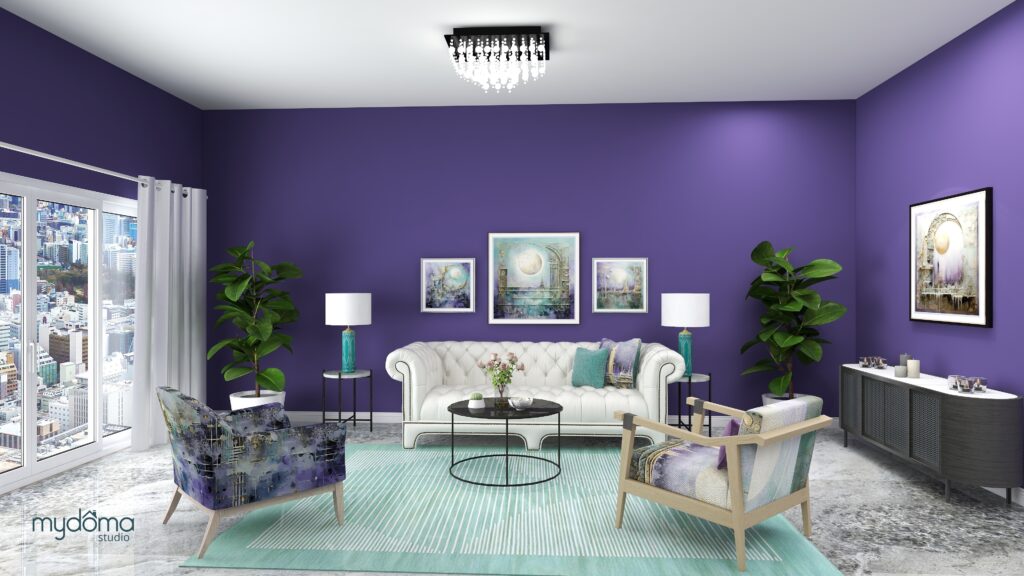
Bohemian style design and energy art by Mary Ann Benoit

When we all express our own version of Bohemian the way we see it,  then the room tells our own story, not the story of the Bohemian Style Definition Maker.

The possibilities are endless, as in a dance choreography performed by different dancers, or a beautiful piece of music is played by different musicians.


I Learned to Solve All My Interior Design Problems by Dancing and Playing Music- We All Hear Music Differently
Bohemian Style- Edesign and Fractal Art by Northern Lights Home Staging and Design

I Learned to Solve All My Interior Design Problems by Dancing and Playing Music- We All Hear Music Differently
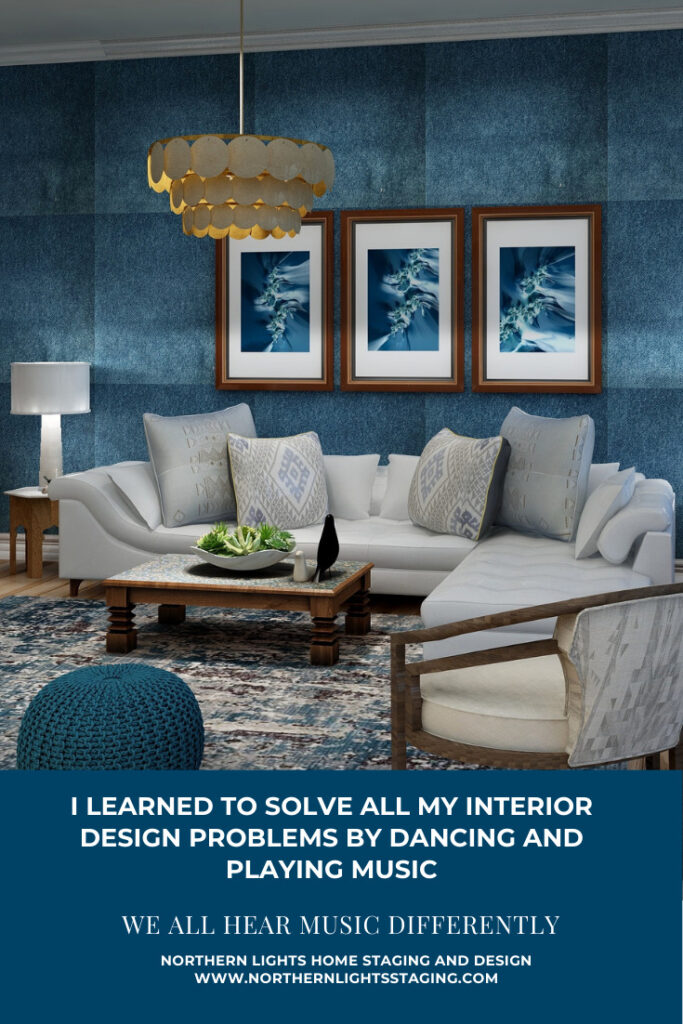
Bohemian Style- Edesign and Fractal Art by Northern Lights Home Staging and Design

Saturday Night Live Art Shows- "Crow Medicine"- Living in Integrity
Bohemian style design and energy art by Mary Ann Benoit

I Learned to Solve All My Interior Design Problems by Dancing and Playing Music- We All Hear Music Differently
Bohemian Style- Edesign and Fractal Art by Northern Lights Home Staging and Design

Saturday Night Live Art Shows- "Unveiling Time".
Bohemian style design and energy art by Mary Ann Benoit

I Learned to Solve All My Interior Design Problems by Dancing and Playing Music- We All Hear Music Differently
Bohemian Style- Edesign and Fractal Art by Northern Lights Home Staging and Design

How Do You Se Color?

Another great example is color. This is one reason color is confusing to so many people.

We all see color differently based on our eyesight and how it is interpreted in our brains.

The lenses of our eyes can change with age, also affecting how we see things. The color is affected by the light when we see it, the surrounding colors, and the context we see the color in.

That is why the term “undertones” as most use it makes no sense. They are just someone’s subjective opinion about what they see at that time and place.  The next person may see it differently.

That same color will look different as soon as you move it to another place, another context, and in a different light.

“Undertones” can’t be measured or repeated, which is why they are so confusing. 


Saturday Night Live Art Shows' "It's Just the Moon- Adventures in AI". Energy art and Interior Design that supports who you truly are by Mary Ann Benoit of Northern Lights Home Staging and Design.
Bohemian Style Edesign and Fractal Art by Northern Lights Home Staging and Design

Color makes people feel differently. Blue may make you feel relaxed and serene, yet someone else may have had a horrible experience in a blue room and it stresses them out.

We all see, feel and interpret color differently.  Some generalizations may be made, as in dance and music, but we all walk away with a different idea of how it looks and feels to us.

Of course, that means……you guessed it……more opportunity for magic.

More variety, more interpretations, more layers, more stories, more unique visions, more beauty in the world.  

I’m all in.

Learn More

Did you find this interesting?  Learn more in some of my other articles on this subject.


 Learned to All my Interior Design Problems by Playing Music.

Also, see Part 2, Learned to All my Interior Design Problems by Playing Music- Every Part Must Do Its Part.

You might also enjoy my series on lessons I learned about Interior Design from dancing:

I Learned To Solve All My Interior Design Problems by Dancing: The Magic of Transitions.

I Learned To Solve All My Interior Design Problems by Dancing : Surprise Me.

I Learned To Solve All My Interior Design Problems by Dancing and Learning to Tell a Great Story.

I Learned To Solve All My Interior Design Problems by Dancing- Bring on the Bling.

I Learned to Solve all My Interior Design Problems by Dancing- There Can Only Be One Star.

I Learned to Solve all My Interior Design Problems by Dancing- Be Brave.

I Learned to Solve all My Interior Design Problems by Dancing- Create Drama with Shapes.

I Learned to Solve all My Interior Design Problems by Dancing- Create Drama with a Focal Point.

I Learned to Solve all My Interior Design Problems by Dancing.

Let’s Create Some Magic

You know you want to. Quit procrastinating. Come on, let’s do this thing:)


A transformational design experience that aligns Art, Science and Energy to Make Magic Happen in your Home and Life. Includes Interior Design, Color and Energy alignment advice to create a space perfectly aligned with you. We'll use Energy Art, personalized to reflect your true self, as the foundation of your space's transformation.

Curious about your Interior Design style? Take the quiz and find out.


What's Your Global Design Style? Take the Quiz


Why Work with Northern Lights Home Staging and Design

Aligned Design©– All Rights Reserved.

Terms of Service  |  Privacy Policy  |  Disclaimer |  Brochure

Prices are subject to change without notice.

Call 907-362-0065 today